Glass bottles: round compared to square
Glass bottles come in a wide range of dimensions and profiles. Among the most popular are round and square designs. So which option is best? In this piece, we’ll put round and square bottles side by side to help you choose the one that fits your needs.
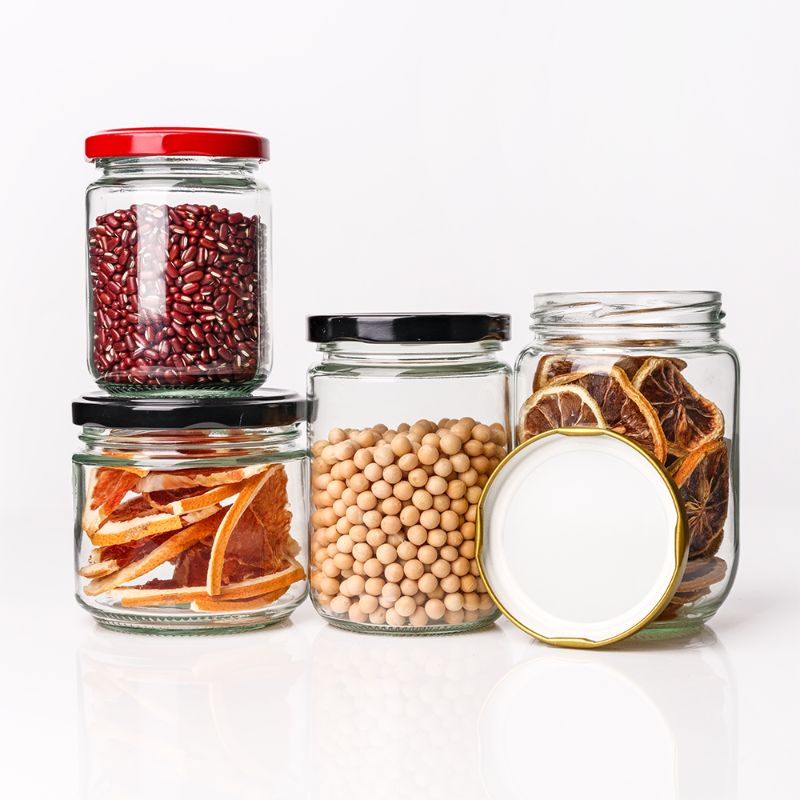
Round Glass Bottles
Cylindrical glass bottles are the standard form used most often. They’re made by blow molding, in which a hot, pliable glass tube is expanded inside a mold until it takes shape. This rounded design suits liquids well, promoting smooth pouring and comfortable handling.
A key benefit of round bottles is their durability compared with square ones. Because stresses distribute evenly across a curved surface, they tolerate greater internal and external pressure without cracking, making them preferable for products that will be shipped or moved frequently.
For storage, keep round glass bottles standing upright. This minimizes contact between the contents and the closure — cork or cap — which can degrade if continually exposed to liquid. Their smooth, curved profile also reduces the chance of snagging or sticking on shelves.
Square Glass Bottles
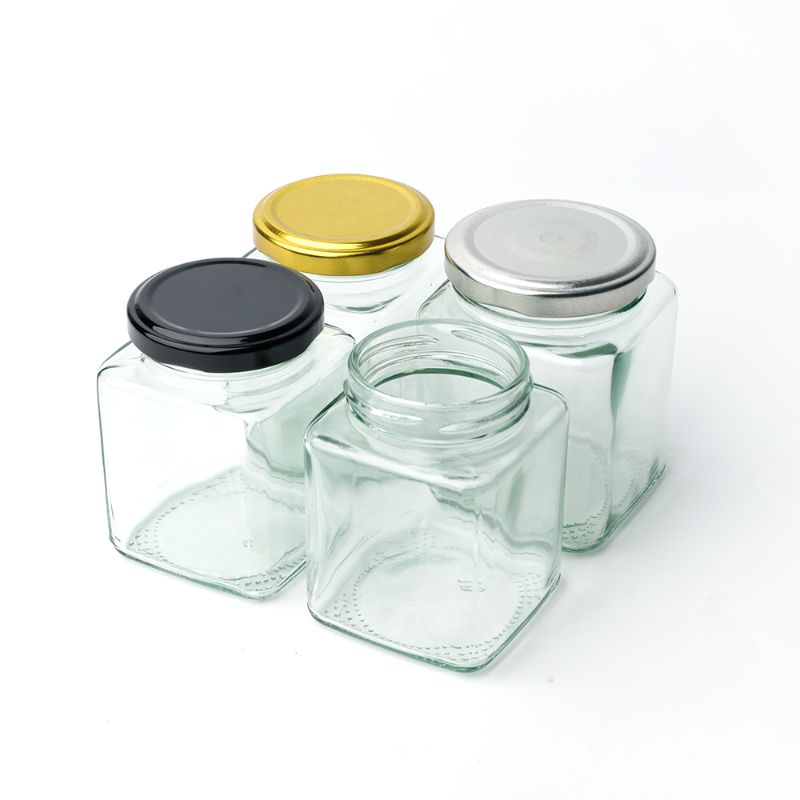
Although round bottles dominate the market, square glass bottles offer distinct benefits. Their key strength is space efficiency: their straight sides let you pack more units on shelves or in cartons compared with round equivalents, and they can be stored either upright or laid on their sides without leakage. Square forms also excel at branding, since the four flat panels provide clean, generous surfaces for labels and graphics. Visually, they project a sleek, modern aesthetic that suits contemporary or minimalist products. These bottles are typically manufactured by pressing molten glass into a mold, and they’re especially common in the liquor category, including vodka and other spirits.
Which One Should You Choose?
Which shape wins — round or square? It really depends on what you need.
Choose round glass bottles if you want something easier to grip and move around, with a lower risk of breakage. Pick square bottles if maximizing shelf space and a contemporary aesthetic are your priorities.
Also think about what’s going inside: liquids typically work better in round bottles, while powders or solid items often fit square bottles more efficiently. In the end, the right choice comes down to your product and your preferences.
Conclusion
Round and square glass bottles each come with trade-offs. Rounded designs are simpler to grip, move, and stack, and they tend to resist breakage better. Boxy bottles conserve shelf space, offer a contemporary aesthetic, and lend themselves well to strong branding.
Select the silhouette that matches your product’s requirements, and weigh how manufacturing and warehousing differ between the two. Factoring in those process and storage considerations will help keep your product protected in the bottle.