8 Benefits of PET in Preforms: A Comprehensive Review
Polyethylene Terephthalate (PET) is the leading plastic material in use today, especially favored for making preforms. In the realm of packaging, PET offers considerable benefits over alternatives like glass, PVC, and HDPE in the production of preforms. Below are some of the primary advantages of utilizing PET for this purpose:
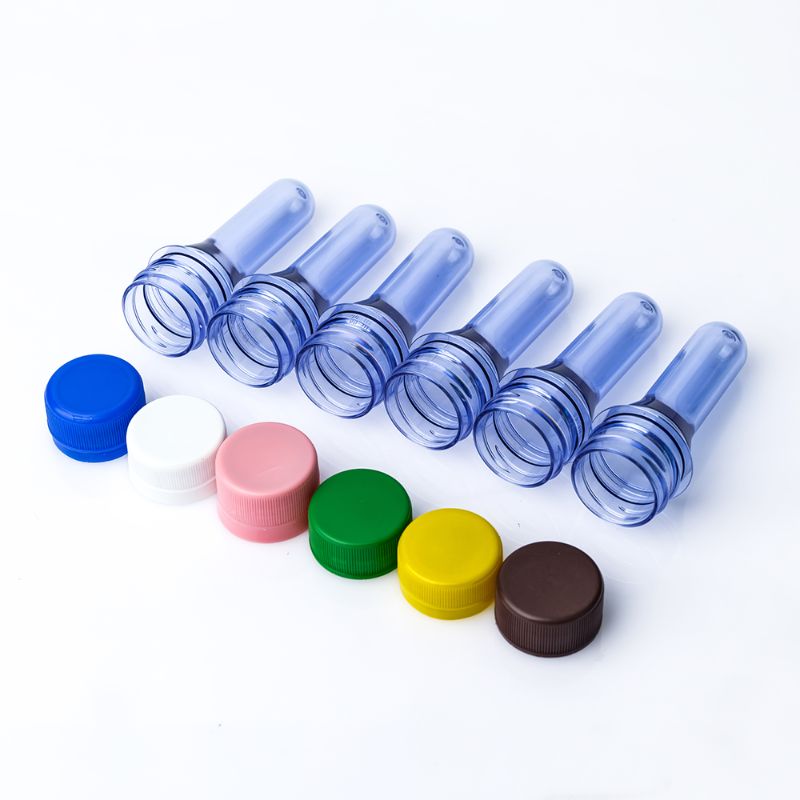
Lightweight
For products that need clarity and affordability in their packaging, PET is the best choice for producing preform bottles. PET preforms and completed bottles are notably lighter than those made of glass or metal, leading to lower shipping expenses and smaller carbon footprints.
In contrast, glass provides decent gas permeability and a polished finish but is heavy and easily shatterable, raising both costs and hazards during transport. While metal is somewhat lighter, its manufacturing and processing costs exceed those of plastics, and it does not offer the transparency that PET does.
Clear Visibility and Visual Attractiveness
Though PET isn't the lightest plastic (as PE and PP are lighter), it provides exceptional clarity, coming close to glass. This clarity effectively highlights the contents, bolstering consumer confidence, particularly for drinks and cosmetics.
While HDPE can be utilized to manufacture preform bottles, the resulting bottles tend to be opaque or semi-transparent, which can reduce the product's visual appeal.
Exceptional Material Characteristics
PET is known for its impressive durability and ability to withstand impacts, reducing the chances of breakage and boasting high tensile strength. PET preforms are lightweight and resilient to drops, making them well-suited for mass production and logistics. On the other hand, glass, while chemically resistant, is quite delicate and susceptible to breaking, and it is bulky. Furthermore, although HDPE provides decent flexibility, it lacks the necessary strength, leading to deformation when subjected to compression.
Gas Barrier Properties
A major factor in selecting PET for preform manufacturing is its outstanding ability to block oxygen and carbon dioxide. When PET is used to create bottles for beverages, food, or cosmetics, it effectively maintains the freshness of the contents, which is crucial for carbonated drinks and items sensitive to oxygen exposure.
On the other hand, HDPE and other polyolefins exhibit weaker gas barrier capabilities, potentially resulting in carbon dioxide escape from drinks or food spoilage due to oxidation. Although glass bottles provide excellent gas barrier performance, their heaviness and fragility restrict their use in mass production.
Nourishment Safety and Health Regulations
PET is a food-safe substance that can be utilized extensively in packaging for consumable and non-consumable items alike. It is safe, odorless, and complies with global safety regulations for materials in contact with food.
Chemical Resistance
Packaging products typically demand specific levels of chemical resistance from their materials. Among these, glass provides the best chemical resistance, with plastics such as PET, PP, and PE following behind. PET is particularly noteworthy as it not only withstands a range of chemicals — including mild acids, bases, and oils — but it also offers superior strength and impact resistance when compared to PP and PE. Consequently, PET is frequently utilized in packaging for personal care items and edible oils.
Sustainability and Ecological Effects
PET is the go-to material for making preform bottles and offers an important benefit: it is entirely recyclable and supported by well-established recycling technology. Recycled PET can be repurposed into new preform bottles or various PET items, including fibers and packaging, making it a fit with current environmental practices. Additionally, the recycling rate for PET preforms and bottles is quite high, which helps lessen their environmental footprint.
Cost-Effectiveness
Selecting PET for preform manufacturing presents considerable benefits in terms of efficiency and cost. In contrast to HDPE, the injection and blow molding techniques for PET are quicker, allowing production lines to generate a greater number of preforms in a shorter period.
For example, in the beverage sector, PET preforms can be produced at rates exceeding tens of thousands of units per hour, while HDPE operates at a slower pace. This enhanced speed makes PET production more financially advantageous.
While polypropylene (PP) is less expensive, its lack of clarity and strength during production restricts its application in higher-end markets. Even though PET has a slightly higher initial raw material cost, its excellent performance and recyclability lead to improved cost-effectiveness, particularly in high-volume production scenarios.
Conclusion
In summary, PET is clearly the leading option for producing preforms due to its light weight, high clarity, superior physical attributes, and effective gas barrier properties.
Nevertheless, our analysis indicates that the final material selection for preforms is ultimately influenced by the specific performance demands of the packaging. At PAG Packaging, we provide customized preform solutions that align with your product characteristics and packaging needs. Whether you require sustainable r-PET to achieve eco-friendly goals, or specially designed preforms with distinctive neck finishes for a unique look and improved sealing, we can assist you. Contact us for professional advice on preform sourcing and personalized packaging solutions!