Soda Can Sizes and Dimensions: A Complete Guide for Beverage Brands
Choosing the right soda can size is an important decision for beverage brands, manufacturers, and packaging buyers. Can capacity, height, diameter, and shape all influence product presentation, consumer convenience, storage, and transportation.
From standard aluminum soda cans to slim and sleek designs, understanding common soda can sizes and dimensions can help businesses select suitable packaging for soft drinks, sparkling water, energy drinks, and other beverages.
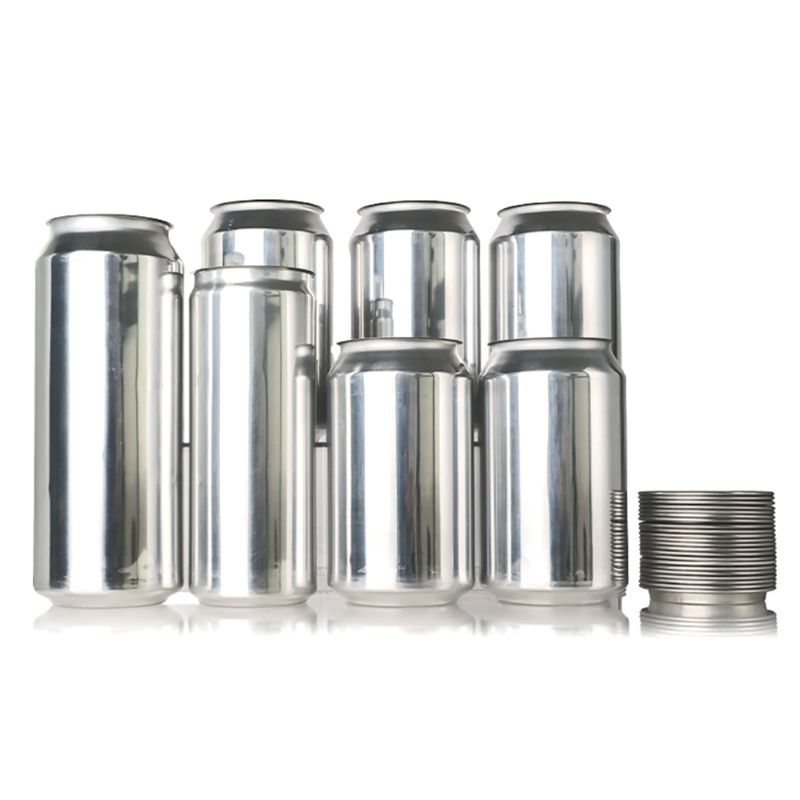
Common Soda Can Sizes and Dimensions
The following table provides representative dimensions for several aluminum beverage can formats.
| Can Type | Capacity | Approx. Height | Approx. Body Diameter |
|---|---|---|---|
| Mini / compact can | 250 ml | 92 mm | 66 mm |
| Standard can | 330 ml | 115 mm | 66 mm |
| Standard can | 355 ml (12 oz) | 122 mm | 66 mm |
| Slim can | 250 ml | 134 mm | 53 mm |
| Sleek can | 355 ml (12 oz) | 157 mm | 58 mm |
| Tall can | 473 ml (16 oz) | 157 mm | 66 mm |
| Standard can | 500 ml | 168 mm | 66 mm |
Note: Dimensions are representative examples, not universal specifications. Different manufacturers and can designs may use different measurements. Always confirm the technical drawing for your selected can before production.
Standard, Slim, and Sleek Soda Cans: What's the Difference?
Can capacity is only one part of packaging design. The can profile also affects how a beverage looks and feels in the customer's hand.
1. Standard Aluminum Cans
Standard cans are commonly used for soda, sparkling water, beer, and other carbonated beverages. Their familiar shape makes them a practical choice for mainstream beverage products, multipacks, retail shelves, and vending applications.
For beverage brands, standard aluminum cans can offer a balance of familiar presentation, efficient packaging, and broad market acceptance.
2. Slim Cans
Slim cans have a narrower body and a taller profile. They are often used for energy drinks, functional beverages, and smaller premium beverage products.
Their narrow shape creates a distinctive appearance and can help brands differentiate their products on crowded retail shelves.
3. Sleek Cans
Sleek cans are also tall and narrow, but their proportions differ from those of slim cans. They are often selected for sparkling water, premium soft drinks, ready-to-drink beverages, and modern beverage brands.
When comparing slim and sleek cans, do not rely on the names alone. Confirm the actual diameter, height, capacity, and compatible can-end specifications with your supplier.
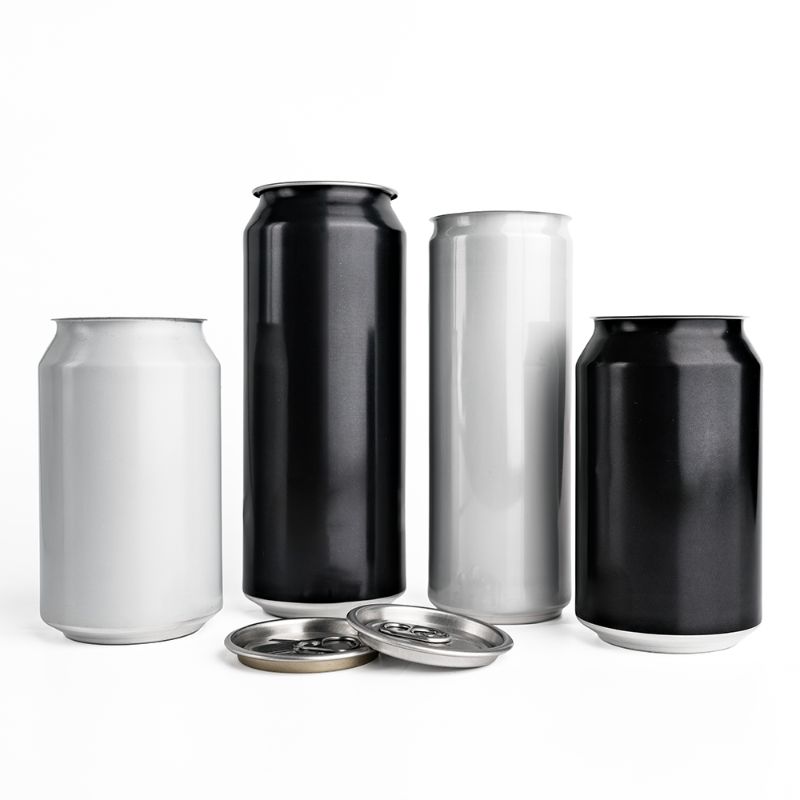
How to Choose the Right Soda Can Size
When sourcing aluminum beverage cans wholesale, beverage brands should consider more than the nominal volume.
1. Target Market and Serving Size
Different markets may favor different capacities. A 330 ml can may suit many international beverage markets, while 355 ml is a familiar format in the United States. Larger sizes such as 473 ml and 500 ml can serve customers looking for more beverage per package.
Research local preferences and retail requirements before finalizing your packaging specification.
2. Beverage Type
The beverage formulation and filling requirements influence can selection. Carbonated soft drinks, energy drinks, sparkling water, and other beverages may require specific can materials, internal coatings, pressure performance, and closure specifications.
Confirm compatibility with your filling process and product requirements before ordering in bulk.
3. Branding and Shelf Appeal
The can profile affects the available label or printed surface and the overall appearance of the product.
Standard cans offer a familiar look, while slim and sleek formats can support a more distinctive premium or contemporary brand identity. Custom printing and finish options may further strengthen product recognition.
4. Filling Line Compatibility
Can height, diameter, and end specifications must be compatible with the filling and seaming equipment. Switching between can formats may require adjustments or replacement change parts.
Before confirming a new can size, discuss the proposed specifications with your filling-line and packaging suppliers to help prevent production delays.
5. Storage and Transportation
Can dimensions affect carton design, pallet configuration, warehouse space, and shipping efficiency. The most suitable format should balance consumer-facing design with practical supply-chain requirements.
For export orders, confirm the packed dimensions, pallet arrangement, and protective packaging requirements before production.
What Should Buyers Confirm Before Ordering Aluminum Soda Cans?
Before placing a wholesale order, prepare a clear specification covering:
- Nominal capacity and target market
- Can profile, height, and body diameter
- Can-end type and compatibility
- Beverage formulation and filling method
- Printing, color, and surface finish
- Carton configuration and pallet requirements
- Required order quantity and delivery schedule
Requesting samples and reviewing technical drawings can help ensure that the selected can meets your product and production requirements.
Aluminum Beverage Packaging Solutions from IDEA Bottles
IDEA Bottles provides packaging solutions across glass, plastic, and metal categories, including aluminum cans and other beverage packaging products.
For beverage brands and packaging buyers, choosing the right can involves balancing capacity, dimensions, appearance, filling requirements, and logistics. Clearly defined specifications help suppliers identify suitable packaging options and support a smoother purchasing process.
Whether you are developing a new soft drink, sparkling water, or energy drink product, selecting an appropriate aluminum can format can help align your packaging with your target market and production needs.
Find the Right Beverage Can for Your Product
There is no single soda can size suitable for every beverage brand. Standard, slim, and sleek cans each offer different advantages in capacity, appearance, and application.
By comparing soda can dimensions, aluminum beverage can sizes, and filling requirements, businesses can make better-informed packaging decisions and avoid costly specification mismatches.
Looking for aluminum cans or beverage packaging solutions for your next project? Contact IDEA Bottles to discuss your product requirements and sourcing needs.